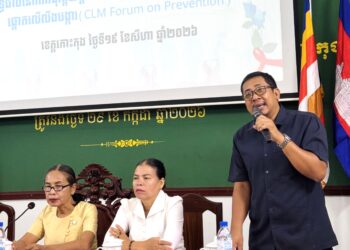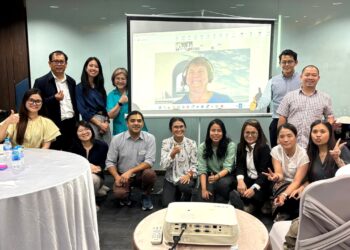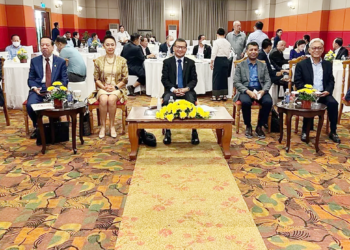
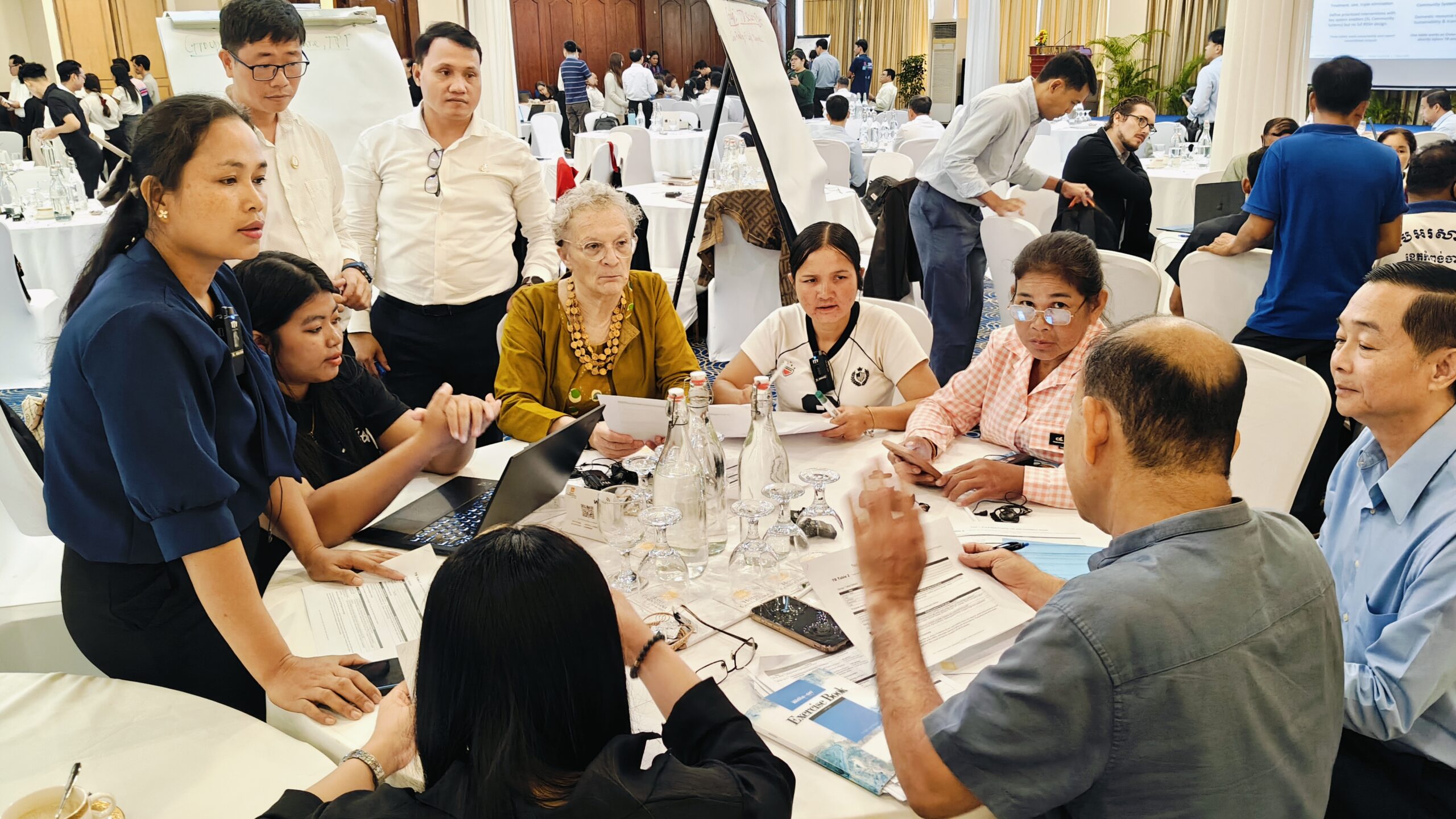
The Country Dialogue for the development of the GC8 (2027–2029) funding request for HIV and AIDS and Tuberculosis (TB) was convened from May 6–7, 2026, at the Cambodiana Hotel by the Country Coordinating Committee (CCC).
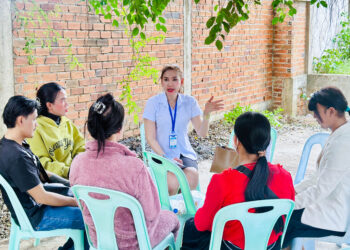
The two-day vital dialogue highlighted a highly inclusive and participatory approach, bringing together representatives from the TB, HIV and AIDS, and community sectors to ensure that all stakeholders had the opportunity to actively participate and raise their voices during the discussions. Community representatives, civil society organizations (CSOs), and key population groups were encouraged to share their perspectives, challenges, and recommendations to help shape the GC8 funding priorities and interventions.
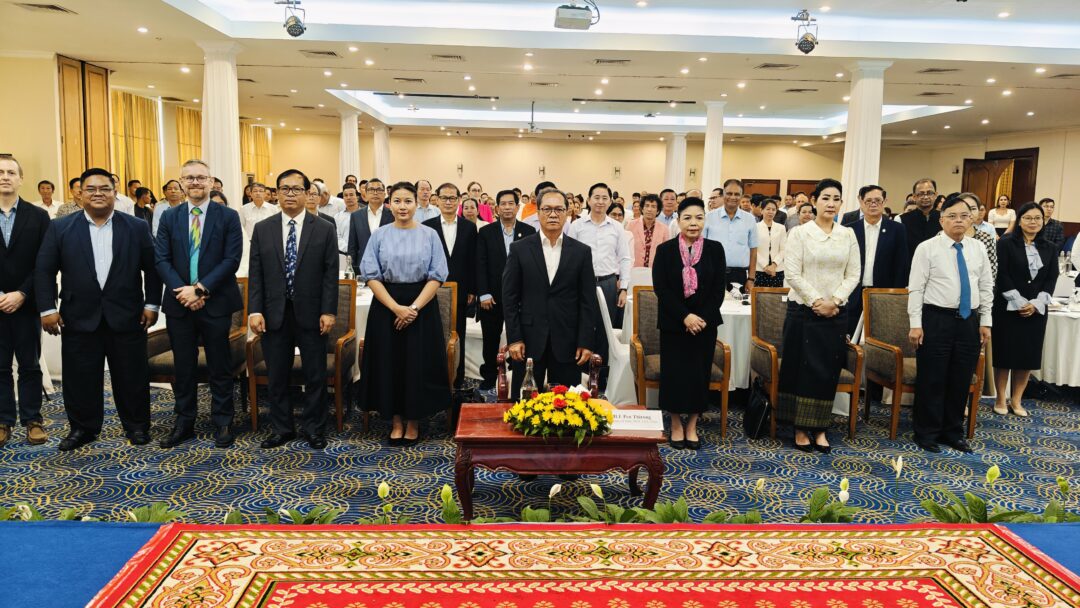
Mr. Tim Vora, Executive Director of HACC and Vice-Chair of the Country Coordinating Committee (CCC/CCM), attended and coordinated with the Chair, Vice-Chair, and Co-Chair of the Oversight Committee throughout the meeting.
The primary objective of the dialogue was to review epidemiological data, identify coverage gaps, and prioritize interventions to ensure alignment between the national strategic plans and Global Fund requirements.
The overall discussions focused on the integration of HIV and AIDS and TB service delivery, increasing government co-financing to support HIV and TB programs, and initiating the implementation of non-state actors, which could contribute to the sustainability of HIV and AIDS and TB responses at both national and sub-national levels.
Discussions reviewed the national strategic plans for HIV and AIDS and TB, progress made during the GC6 and GC7 grants, new guidelines from GFATM on GC8, and group discussions to identify key interventions for HIV and TB. The dialogue also included strong contributions from CSOs and community representatives on HIV and AIDS and TB, as well as discussions on the submission timeline to GFATM, as Window 2 had been selected.
Breakout sessions identified specific technical priorities for the GC8 cycle, including HIV and AIDS and RSSH.
Regarding TB, three breakout groups were formed to discuss:
– Screening, case finding, active case finding (ACF), laboratory services, diagnosis, and diagnostic system strengthening;
– Treatment, including DS-TB, DR-TB, drugs, TPT, TB-HIV, and Continuum-of-Care Systems Strengthening; and
– Community systems, the private sector, prisons, KVP, TB-MIS, and TB-facing RSSH/sustainability priorities.
For HIV and AIDS, three breakout sessions focused on HIV and STI prevention, testing, case finding and linkage, treatment, care, and triple elimination.
Regarding RSSH, discussions focused on identifying top priorities, allocation priorities, PAAR, further analysis priorities, key decisions required, and final checks before submission.
Next Steps
Dr. Patricia presented the key activities and timelines for the preparation and submission of the Malaria, HIV and AIDS, and TB programs. The Malaria program will be submitted on June 8, while the HIV and TB programs will be submitted on July 27, 2026.