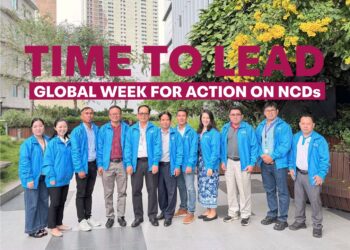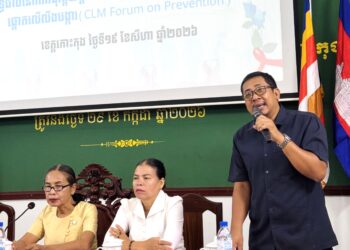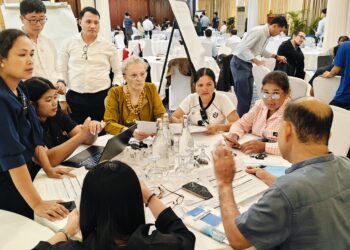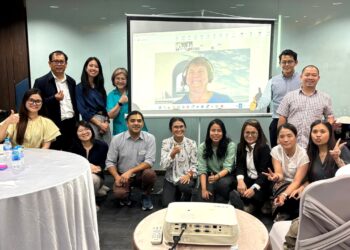
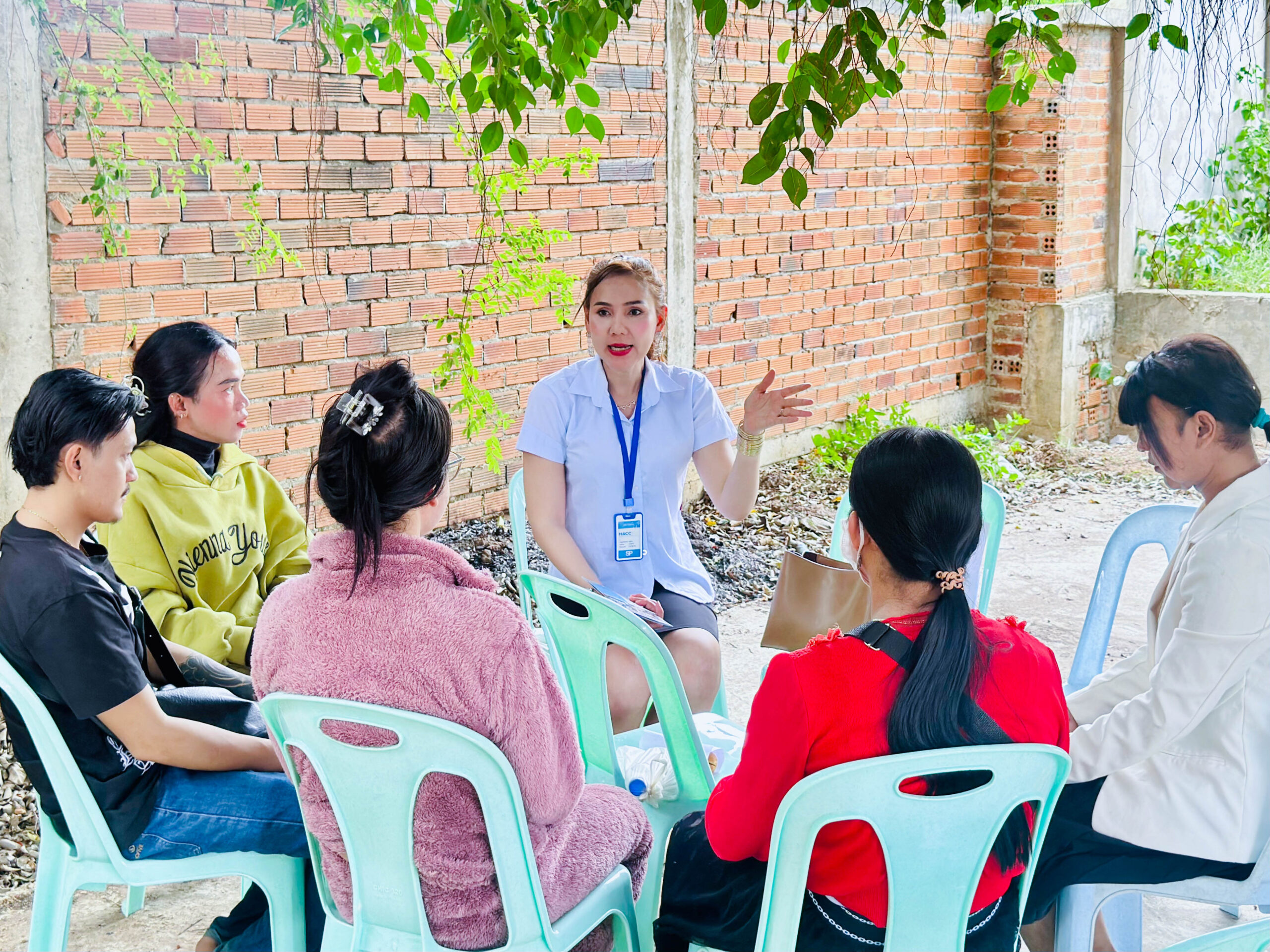
The Health Action Coordinating Committee (HACC), in collaboration with the Forum of Networks of People Living with HIV/AIDS in Cambodia (FoNPAM) and District Forums of Networks of People Living with HIV/AIDS (DFoNPAM), organized community forums in Kampong Cham and Kampong Thom provinces from 26–29 May 2026.
The forums brought together 45 participants in Kampong Cham and 38 participants in Kampong Thom, including representatives from local authorities, health facilities, provincial departments, community-based organizations, networks of people living with HIV (PLHIV), key population groups, FoNPAM and DFoNPAM members, and other relevant stakeholders.
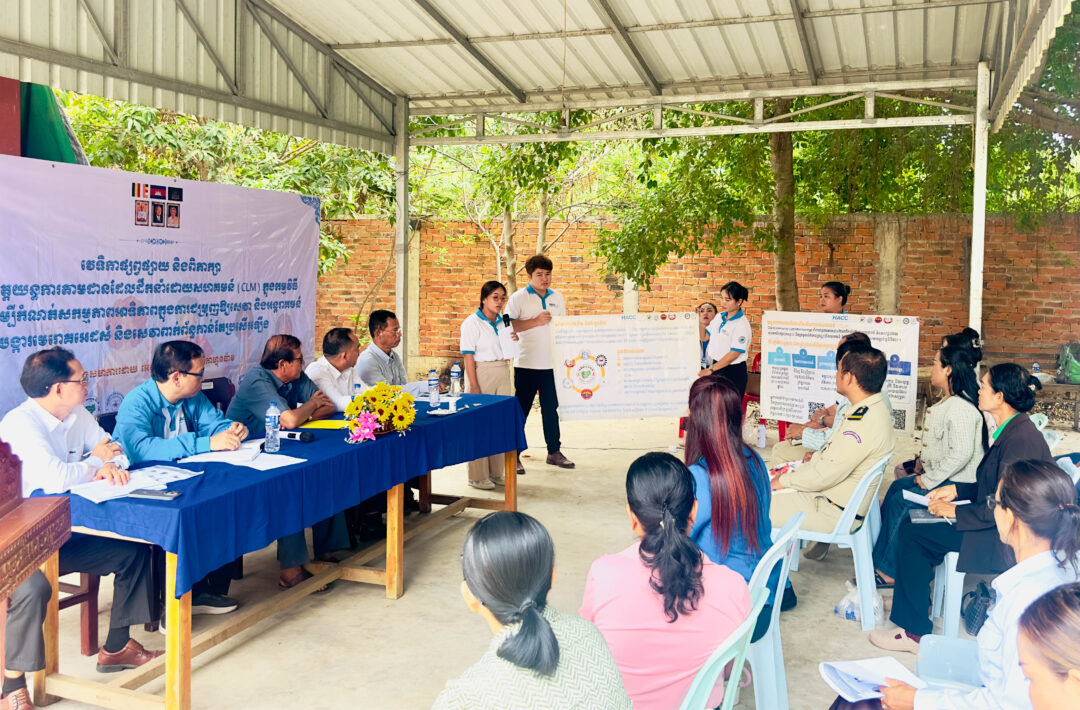
The primary objectives of the forums were to strengthen community awareness of HIV and AIDS prevention, improve access to social protection schemes, promote an enabling environment for PLHIV and key populations, and present findings from the Community-Led Monitoring (CLM) tool to stakeholders and affected communities. The events also provided an opportunity to identify key challenges and propose actions to improve HIV-related services and interventions.
In addition, the forums aimed to strengthen coordination and collaboration between DFoNPAMs and Commune Councils, laying the foundation for greater decentralization of HIV interventions and budget allocation at the local level.
During the discussions, participants exchanged experiences and perspectives on HIV prevention, treatment, care and support services, social protection mechanisms, and the ongoing challenges of stigma and discrimination. Key themes highlighted included accountability, service integration, community engagement, and the sustainability of HIV responses at the community level.
Presentations provided updates on the current HIV situation, prevention interventions targeting key populations and young people, the importance of HIV testing and treatment adherence, and available social protection schemes such as the Health Equity Fund (HEF), National Social Security Fund (NSSF) benefits, and other support services.
Participants identified several barriers to accessing health and social services, including limited access to information, challenges in obtaining required documentation, low awareness of available support mechanisms, and persistent stigma and discrimination within communities and healthcare settings.
Discussions also highlighted several prevention-related concerns, including insufficient access to HIV and AIDS information, a lack of digital information, education and communication (IEC) materials, low risk perception among certain population groups, and the need for stronger behavior change interventions among high-risk populations.
The forums concluded with a strong commitment from all stakeholders to enhance collaboration among local authorities, health service providers, community members, and civil society organizations. Participants agreed on the importance of working together to strengthen HIV prevention, treatment, care, support, and social protection services. Both local authorities and key stakeholders expressed appreciation for the community-level forum approach, recognizing its value in fostering dialogue, strengthening partnerships, and mobilizing collective action. The initiative demonstrated the importance of inclusive community engagement in ensuring that no one is left behind and advancing the shared goal of ending HIV and AIDS as a public health threat in local communities.