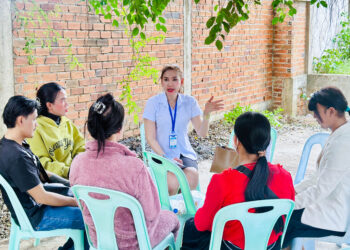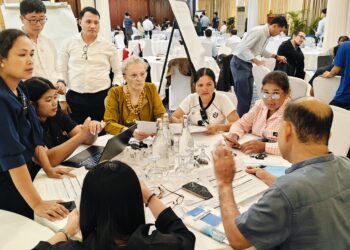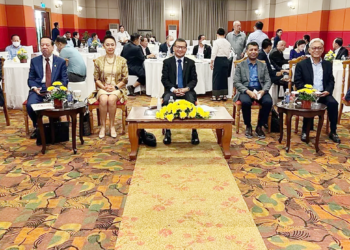
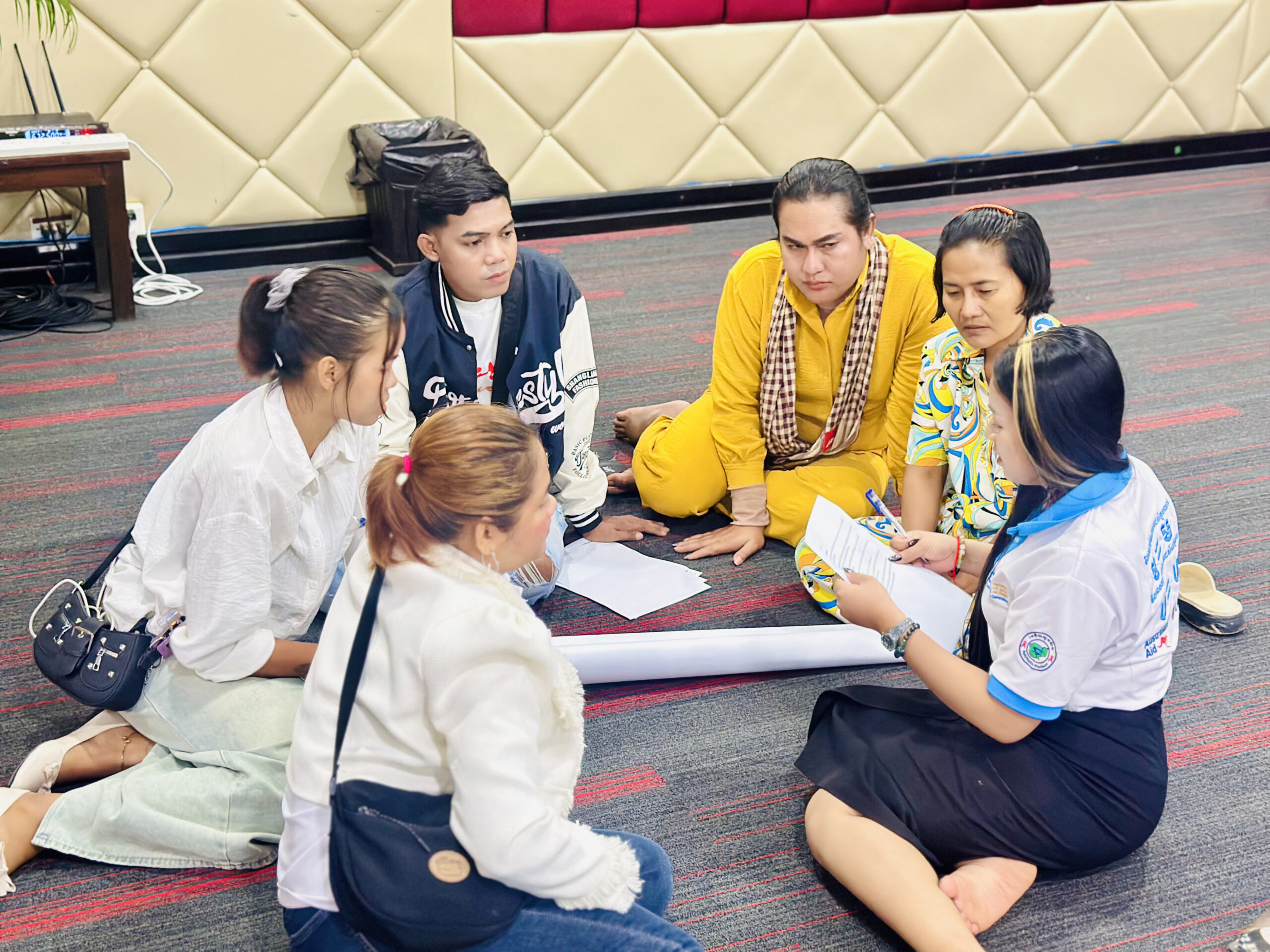
With funding from DFAT through UNAIDS, HACC, in close collaboration with CCC and KHANA, organized two consultative meetings with people living with HIV and AIDS and key populations, including young people, to identify key priority activities for the next grant cycle (GC8) of the GFATM.
The first meeting was held on April 9, 2026, in the meeting room of Sokhalay Hotel in Siem Reap Province. The second meeting was conducted on April 21, 2026, in the meeting room of Khemara Hotel in Kampot Province.
The main purpose of the meetings was to gather additional input from people living with HIV and AIDS and key populations on the list of prioritized HIV and AIDS activities to be implemented under Grant Cycle 8 (2027–2029) of the GFATM.
In total, there were 65 participants, including 12 people living with HIV and AIDS, 12 transgender (TG) individuals, 14 men who have sex with men (MSM), 11 people who use drugs (PWUD), and 11 entertainment workers (EW). Majority of the participants are young key populations. Additionally, NGOs such as MHC and PC from Kampot Province also participated.
At each meeting, there were presentations from:
– Mr. Kith Vanthy (CCC Secretariat), who presented on the GC8 grant process
– Mr. Tim Vora, who presented on Community Systems Strengthening (CSS)
– Dr. Tia Phauly, who presented the consolidated list of prioritized activities identified by community members from other provinces, for further input from participants
Results of the meetings
Prevention Program
– Expansion of HIV and AIDS prevention programs for young MSM aged 15–25
– Peer support programs
– Expansion of PrEP
– Outreach programs through in-person, virtual platforms, and mobile vans
– Provision of legal assistance
– Strengthening community systems
– HIV and AIDS programs targeting PWID/PWUD
– Production of video animations
– HIV and AIDS awareness campaigns in schools and with commune/Sangkat council members
Care and Treatment
– Strengthening the quality of care and treatment, including PNTT, STI, mental health, TB, NCDs, HPV, HBC, and HIV and AIDS services in prisons
– Expansion of social protection support
– Strengthening CAA interventions
– Improving follow-up for clients lost to care
– Supporting small income-generating activities for people living with HIV and AIDS
Community Systems Strengthening (CSS)
– Quarterly meetings of national members of community networks and technical councils (CPN+, BC, CNPUD, NEWN, and YKP)
– Quarterly meetings with CSO partners
– Biannual meetings between FoNPAM, DFoNPAM, and relevant partners (NAA, NCHADS, PHDs, national programs, etc.)
– Organization of community forums
– Discussion on integrating the three diseases into the current CLM mechanism
– Discussion on integrating the three diseases into primary health care (PHC), including using a unified data system, a single laboratory system, and shared staff for HIV/TB services; pilot this approach in one area and replicate
– Coordination by FoNPAM and DFoNPAM with local authorities to support NSSF/HEF documentation for key populations
– HACC support for community participation in various meetings (e.g., TWG meetings, workshops, trainings) to amplify community voices
– Quarterly CLM data collection and reporting by FoNPAM and DFoNPAM